The estate pool problem Flat Rock keeps inheriting
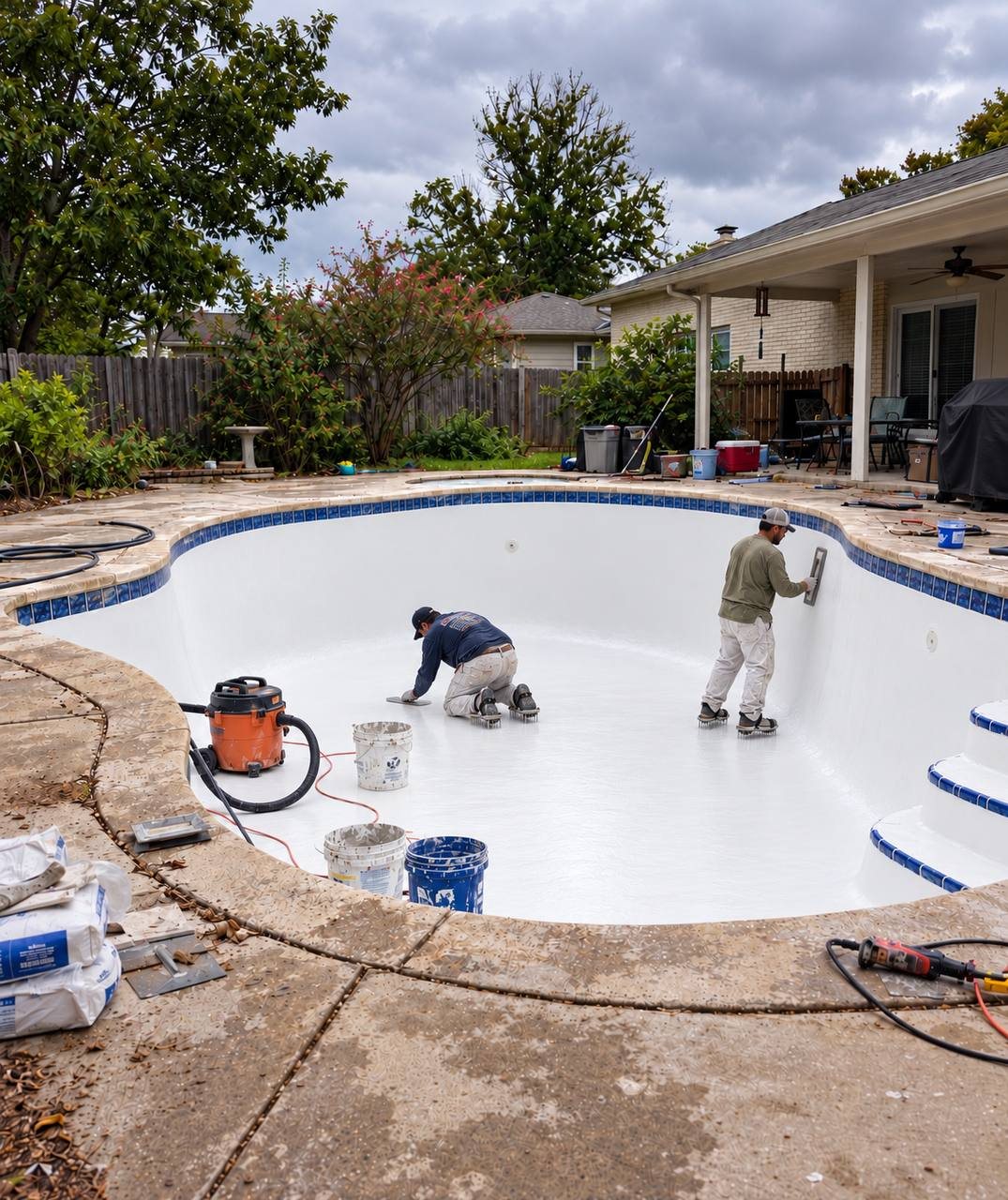
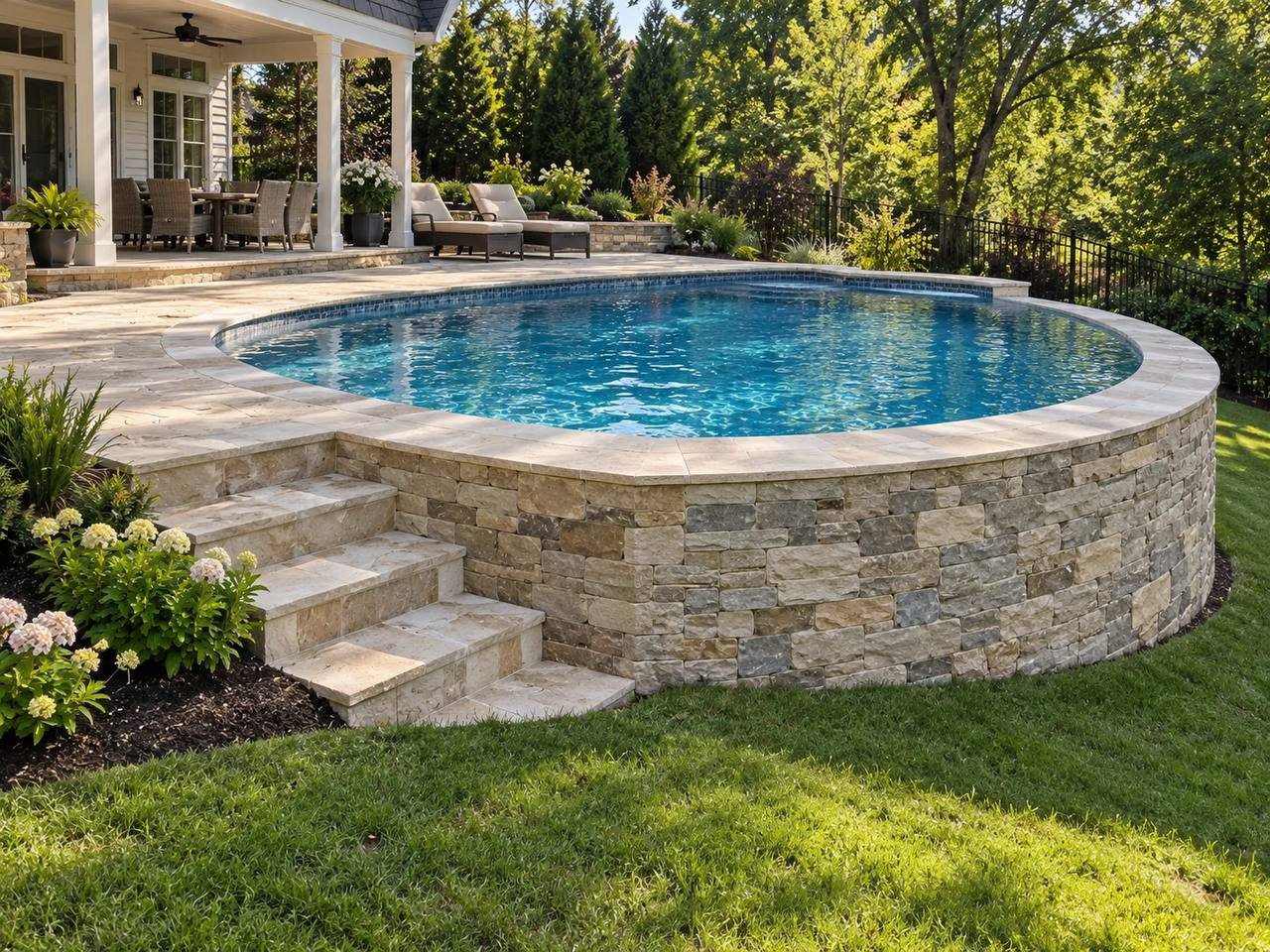
Flat Rock built its identity as a summer retreat, and the pools that came with those older estates are now 30 to 50 years into their lives. Original white plaster. Set into hillside gardens behind stone walls, through wrought-iron gates, under canopies of trees that did not exist when the pool was installed. When that plaster begins to chalk, stain, or delaminate, the resurfacing job looks nothing like a flat suburban renovation two hours east in the piedmont.
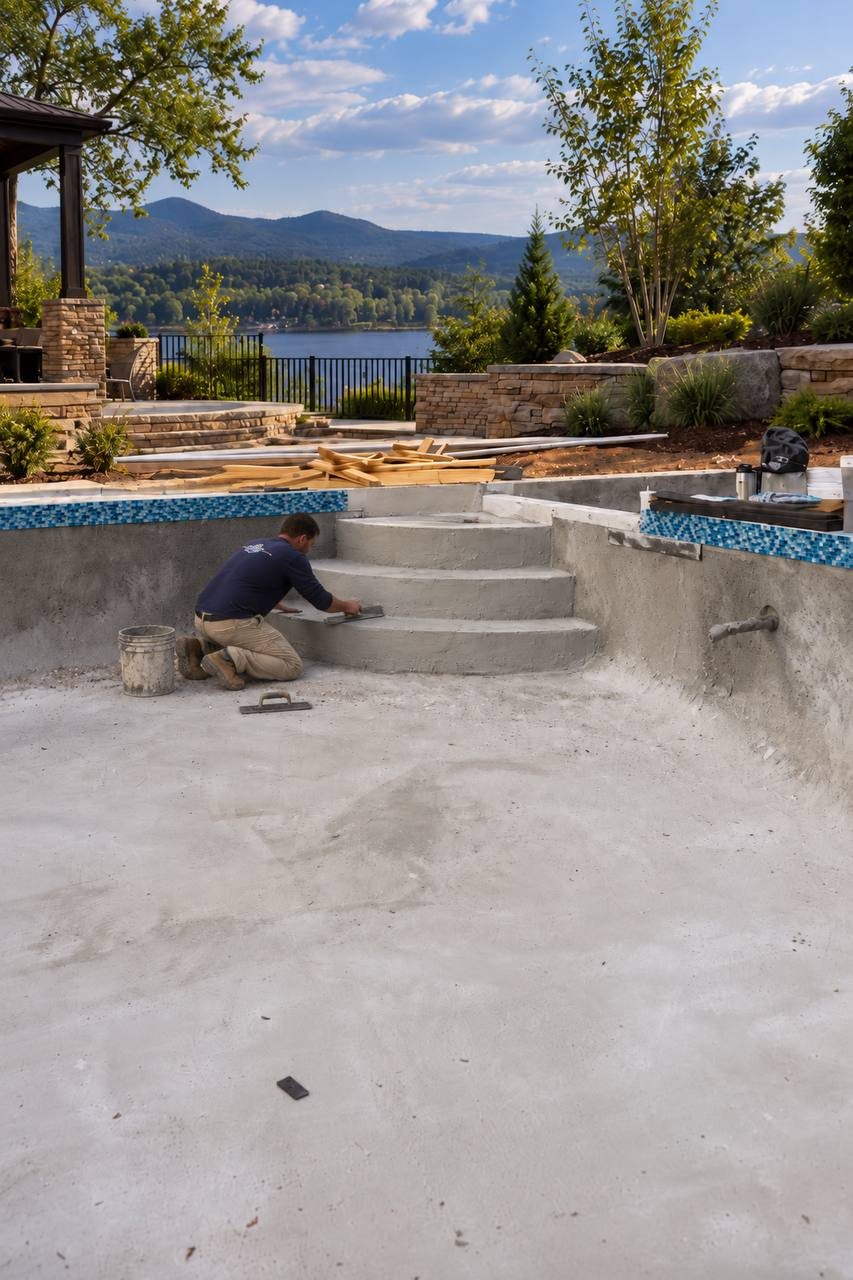
The access math is real and it belongs in the scope before a finish is chosen. Staging a pump-out rig, mixing equipment, and a plaster crew through a mature Flat Rock garden adds time and cost that open-driveway quotes never capture. Lots graded for aesthetics rather than contractor access — terraced walls between the gate and the pool deck, service paths never designed for heavy equipment, coping edged by mature plantings — present a different problem than any standard suburban backyard. Any honest bid for a pool in this market should name exactly how the equipment gets in, not assume it. That single question separates quotes that will hold from quotes that shift once the crew arrives.
What pool resurfacing costs in Henderson County
Western mountain labor markets run tighter than the piedmont, and access surcharges that flatland contractors never quote are routine here. The full line-item mechanics are in the pool resurfacing cost guide; the working ranges for a typical Flat Rock job:
| Scope | Typical Range | Primary cost driver |
|---|---|---|
| Standard white plaster replaster | $6,000 – $8,500 | Surface prep, crack count, shell depth |
| Quartz aggregate finish | $8,500 – $11,500 | Color choice, pool geometry, prep scope |
| Pebble finish | $10,500 – $15,000 | Pebble grade, water feature integration |
| Steep lot or tight-access site | Upper third of each range above | Staging constraints, pump-out method |
Finish selection moves the number by several thousand dollars before access is even considered. The pebble and quartz finishes guide covers what each surface delivers through a mountain winter. For a straightforward pool resurfacing job on a vessel with good access, the low end of the plaster range is realistic. Add a hillside lot, a gate a mixer cannot clear, or aging coping that needs to match period stonework — and the quote climbs toward the middle of the range before a finish is even chosen. The table rows above reflect Henderson County market conditions; steep lots and mature landscaping are the norm in Flat Rock's residential stock, not the exception, which is why the access row is its own line rather than a footnote.
Mountain weather and what it does to pool plaster
Henderson County's terrain concentrates storm runoff in ways that piedmont pools never experience. The federal disaster record confirms it: 16 declared events touch this county (1978-2026), spanning flood and storm events that pushed water at structures built for drier assumptions. Pool shells are not exempt. At Flat Rock's elevation, freeze-thaw cycling accelerates plaster spalling in ways that coastal and lowland pools do not see — a hairline surface crack in October can open into a structural issue by late winter, especially in a pool that sits partially or fully drained through the cold months. Plain plaster is also more porous than quartz or pebble finishes, meaning it absorbs more water before each freeze cycle and deteriorates faster at this elevation than the same surface applied on a flatland pool.
Water chemistry history matters just as much. Pools in mountain communities with variable seasonal use often drift to pH extremes during low-use periods. The NC DHHS Environmental Health Section, which governs pool and spa rules in North Carolina, sets baseline standards for surface condition and water quality — the same logic applies to private pools whose surface has been compromised by uncorrected chemistry. A new surface installed without addressing chronic chemistry problems will not reach its rated life regardless of the finish chosen.
Choosing a finish for an older vessel
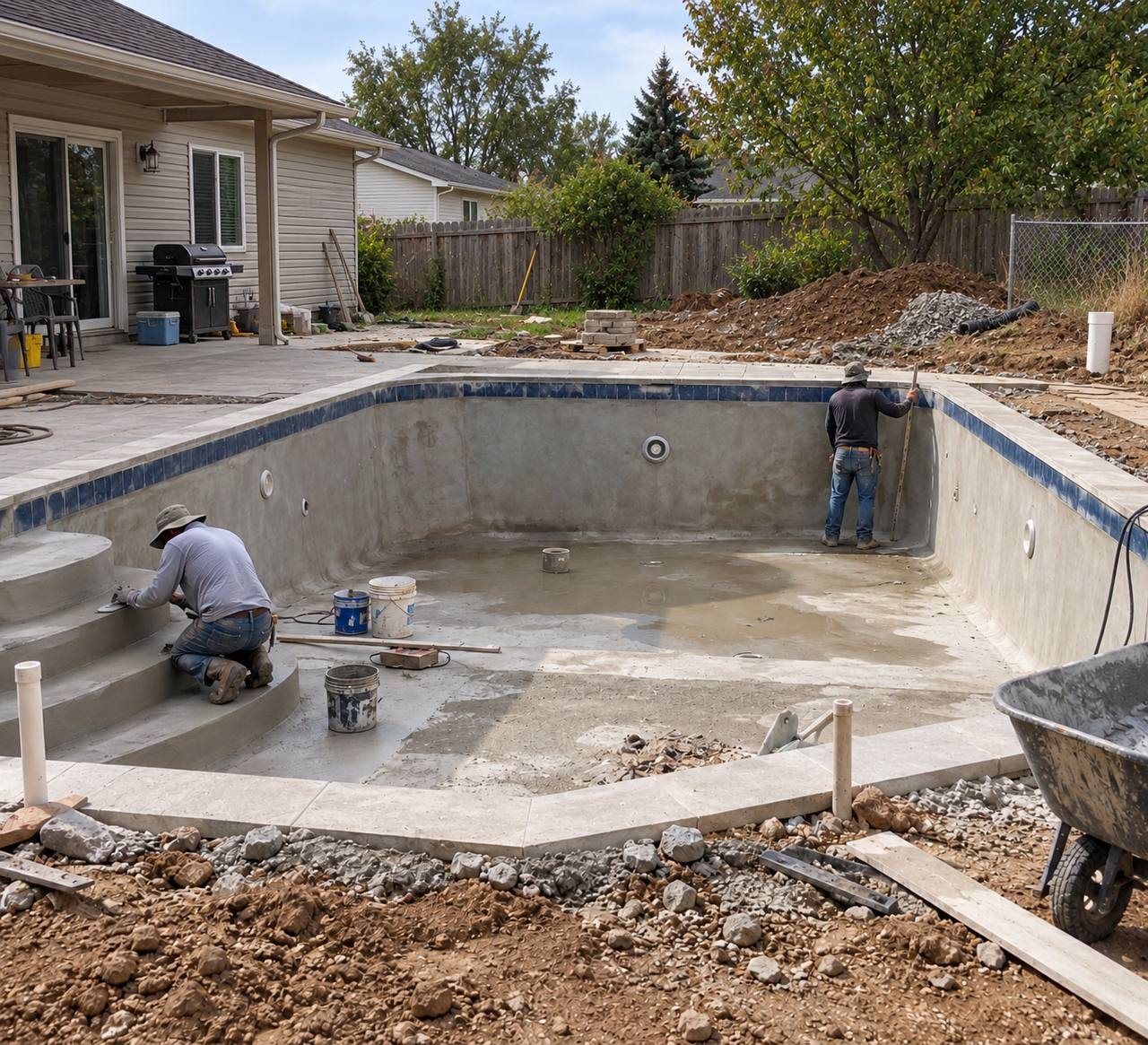
On a pool that has already been replastered once or more, finish selection starts with a shell assessment, not a catalog. Older gunite shells can be thinner than their original specifications suggest after successive plaster layers are chipped away, and a pebble or quartz application on a compromised shell requires different preparation than the same finish on a sound one. The Pool and Hot Tub Alliance (PHTA) publishes surface standards governing minimum installation thickness, cure protocols, and startup water chemistry — a contractor who cannot name the specification they are working to is worth pressing before any contract is signed.
Quartz and pebble finishes outperform plain plaster in longevity and stain resistance, which matters for pools that sit through a mountain winter with intermittent use. They require correct installation to deliver that durability. The pebble and quartz finishes page covers what each option delivers and which holds up better in climates with genuine winters.
If the pool's pump equipment predates current federal efficiency rules, a resurfacing project that touches the mechanical pad is the right moment to address it. The DOE pool pump efficiency standard sets minimum requirements for replacement motors — worth knowing before a contractor prices the mechanical scope alongside the surface work.
What to ask before anyone drains your pool
Three Henderson County checks that go beyond the standard contractor questions: ask whether the crew has worked estate-era gunite vessels specifically — older shells require different prep than modern pools and experienced crews know to assess shell depth before pricing a finish; ask how they handle your site's access before they arrive, not after — a contractor who quotes without seeing your gate, slope, and staging area is quoting against assumptions that may not match your lot; and ask whether the finish specification includes water startup chemistry or whether that step is handed back to you at the end.
State licensing requirements govern pool contractor work in North Carolina. The NC Department of Insurance Building Code Council publishes the thresholds that determine what work requires a licensed contractor. When you are ready to scope the job, the pool resurfacing service page covers what a proper first site visit and written scope should include — before any work begins and before any contract is signed.