Slope changes where the leak is
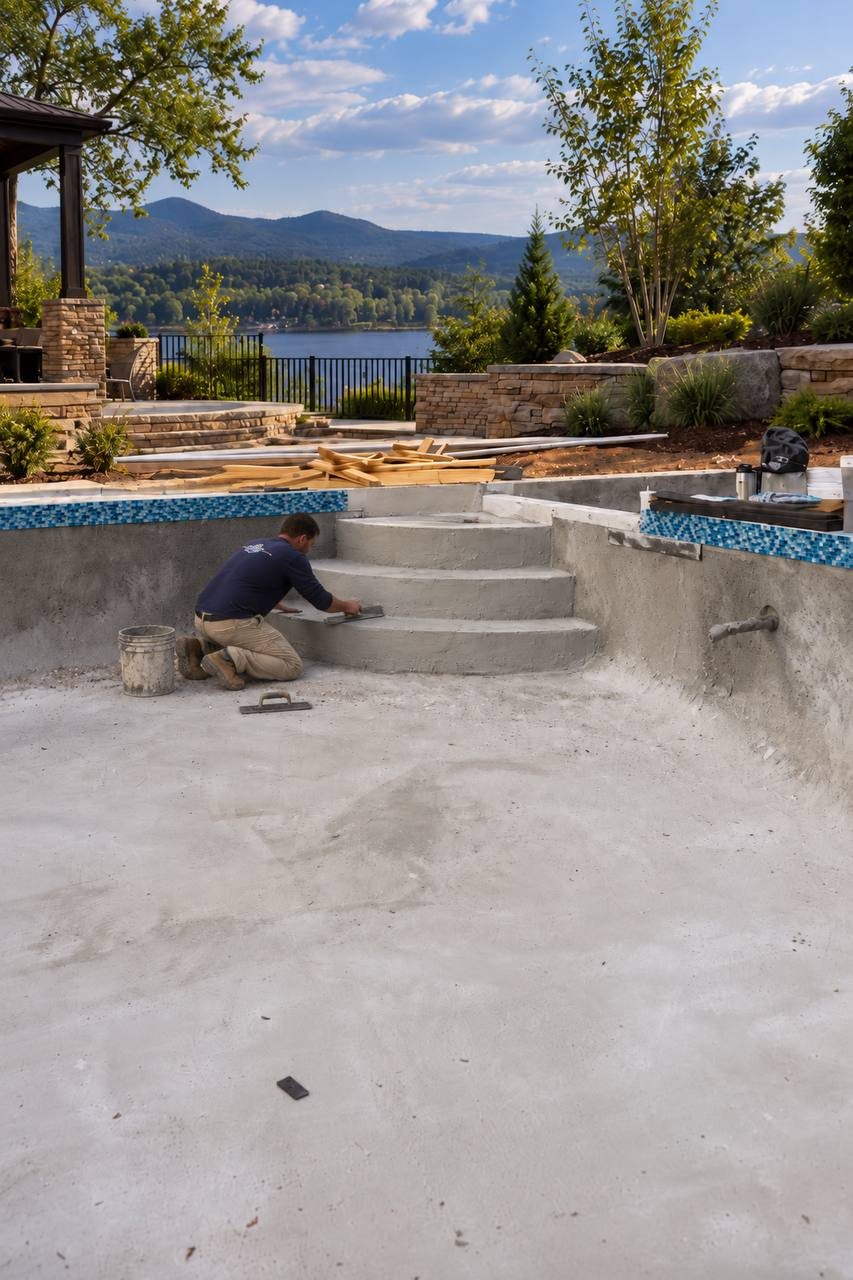
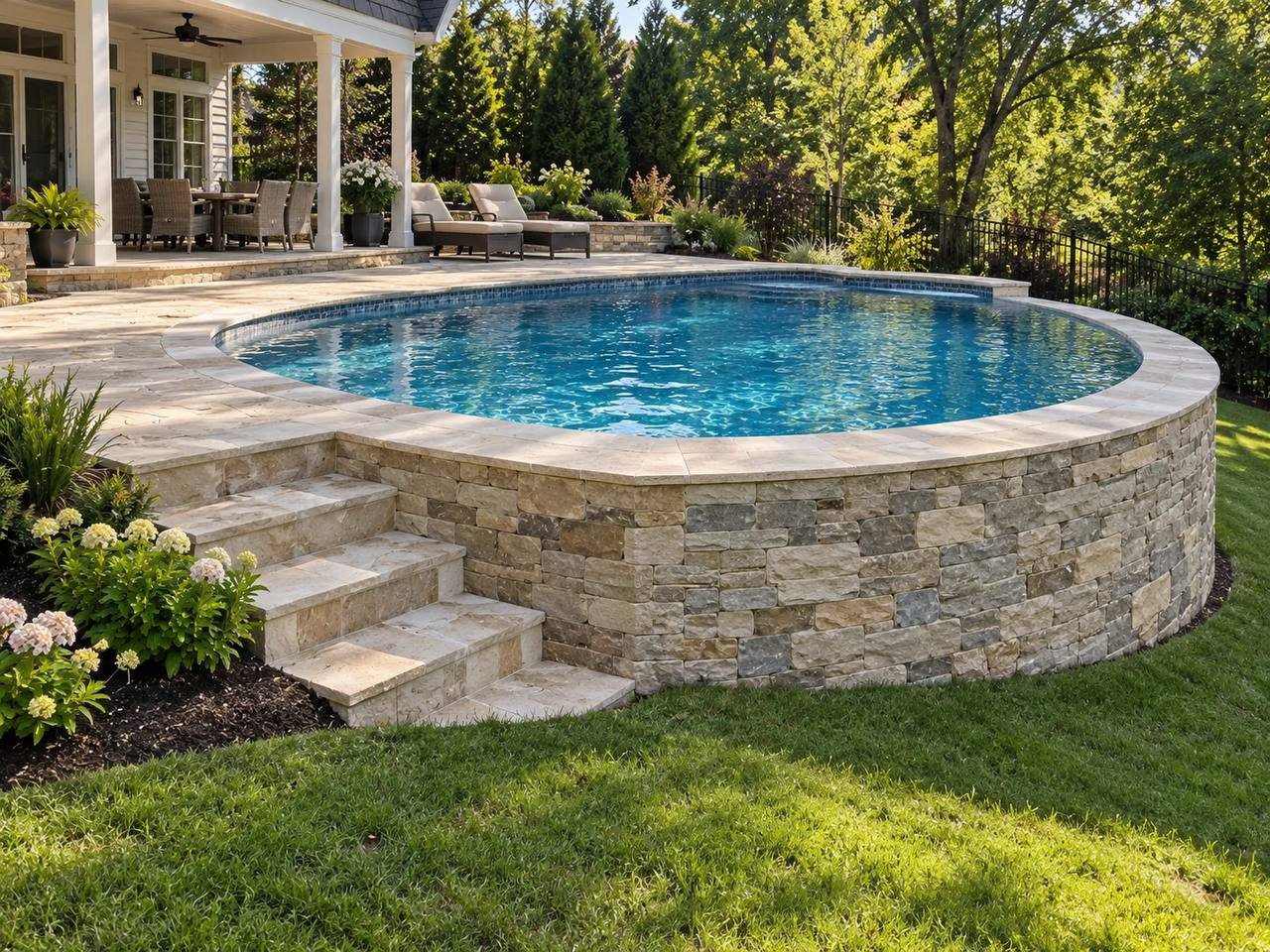
Asheville pools sit on terrain that flatland pool contractors rarely plan for: cut-and-fill ridge lots above the Blue Ridge Parkway, clay-and-rock soil profiles in North Asheville neighborhoods, and backyard pools in West Asheville perched on grades that drop several feet from the equipment pad to the deep end. When a pool on that kind of lot starts losing water, the plumbing that carries water through the shell and back to the pump may travel significant elevation underground — which means a pressure-test failure tells you there is a leak, but locating it precisely takes more than a dye test and a visual sweep of the floor.
Buncombe County's storm history sharpens the problem. The 19 federal disaster declarations on record for this county span 1973-2026, running heavily toward storm and flood events. The same heavy-rain seasons that fill local creeks also saturate the soil around pool footings and cycle stress through shell-to-deck joints that were poured in dry summer conditions. A pool that held water fine for a decade can start losing it steadily after two or three wet winters — not because the pool is old, but because the ground around it shifted.
What detection costs in Asheville
Professional pool leak detection in Asheville typically runs $150 to $400 for the diagnostic visit. Slope complexity and longer underground plumbing runs add time compared to flatland jobs, which is why local quotes land toward the middle of the statewide range rather than the bottom. The repair that follows depends entirely on what the pressure test and tracer work find. For line-item cost breakdowns by job type, see the full leak detection cost guide. The table below covers the most common scopes on Buncombe County pools.
| Scope | Typical Range |
|---|---|
| Pressure and dye test (diagnostic only) | $150–$400 |
| Return fitting or skimmer seal repair | $100–$400 |
| Accessible return-line plumbing repair | $200–$600 |
| Surface shell crack repair (minor) | $200–$800 |
| Underground plumbing repair (sloped run) | $500–$1,500 |
| Structural bond beam or shell section repair | $1,500–$5,000 |
Any bid that collapses the detection cost into the repair estimate is skipping a step. Know what you are paying to find the leak before you agree to what you will pay to fix it.
Where Buncombe County pools fail first
Three failure patterns appear disproportionately on local pools compared to pools built on flat terrain elsewhere in North Carolina.
Return fittings at the shell wall are the most common first suspect. Clay soil expands when wet and contracts through dry spells — that seasonal cycling works the gaskets on return fittings over time, particularly on pools more than fifteen years old. Dye testing around each fitting while the pump is off is usually the starting point of any competent investigation.
Suction-side plumbing under sloped lots develops joint failures when fill soil settles unevenly over years. The main drain line and skimmer throat are both candidates. Pressure-testing each circuit separately isolates which one is failing; acoustic detection or tracer gas then narrows the location to a specific section without excavating the full run. The pool-losing-water diagnostic guide covers this pattern in detail, including the bucket test that separates evaporation from a real leak before you call anyone.
Bond beam cracks appear on older gunite pools that went through hard freeze cycles without adequate water level management. The joint where the shell meets the coping concentrates differential movement between two materials that respond to temperature at different rates. West Asheville and Kenilworth both carry a stock of pools from the 1970s and 1980s where this failure is common and where detection requires shell-specific experience rather than a generic plumbing pressure test.
Water quality, codes, and sale contingencies
Pool water carries sanitizer chemistry, and when it escapes through plumbing or shell cracks into surrounding soil, that chemistry moves with it. On the older residential lots common in Buncombe County — lots that may have wells, drainage ditches, or aging septic fields nearby — a sustained leak is a water-quality concern beyond the water bill.
The NC DHHS Environmental Health Section rules govern water quality standards for public and semi-public pools under state code. Residential pools operate outside that permit framework, but the chemistry standards codified there are a useful reference point for what an untreated leak can introduce into nearby soil over a season. The Pool and Hot Tub Alliance publishes service standards that responsible leak detection contractors follow — a practical benchmark for homeowners evaluating what a thorough inspection should include and what equipment a qualified technician should carry on site.
For pools that are part of a real estate transaction, HUD Minimum Property Standards require pool condition documentation on FHA-backed sales. A leak surfaced during a home inspection can slow or stop a closing. A completed detection report in hand before listing is the cleaner position — a documented result is easier to negotiate around than a suspected problem with no paper behind it. The full leak detection service guide covers what a proper inspection report should contain.
Getting the hire right in this market
Three Asheville-specific questions to ask before scheduling. First: have they worked pools on sloped lots where plumbing runs are not horizontal? Pressure-testing an angled underground run requires different equipment and technique than flat-grade work, and not every crew carries it. Second: do they separate the detection fee from the repair quote and provide a written scope before beginning any repair? A detection visit that converts immediately into a repair sale has skipped the diagnostic step that lets you compare bids from separate contractors. Third: what happens if the leak traces to main drain plumbing under the pool floor? That answer tells you whether they can complete the full job or whether you will need a second contractor partway through.
When you are ready to schedule, use the form on this page and note whether the pool is actively losing water or holding steady at a consistent level — that single detail changes where the technician starts and can save diagnostic time on the visit.